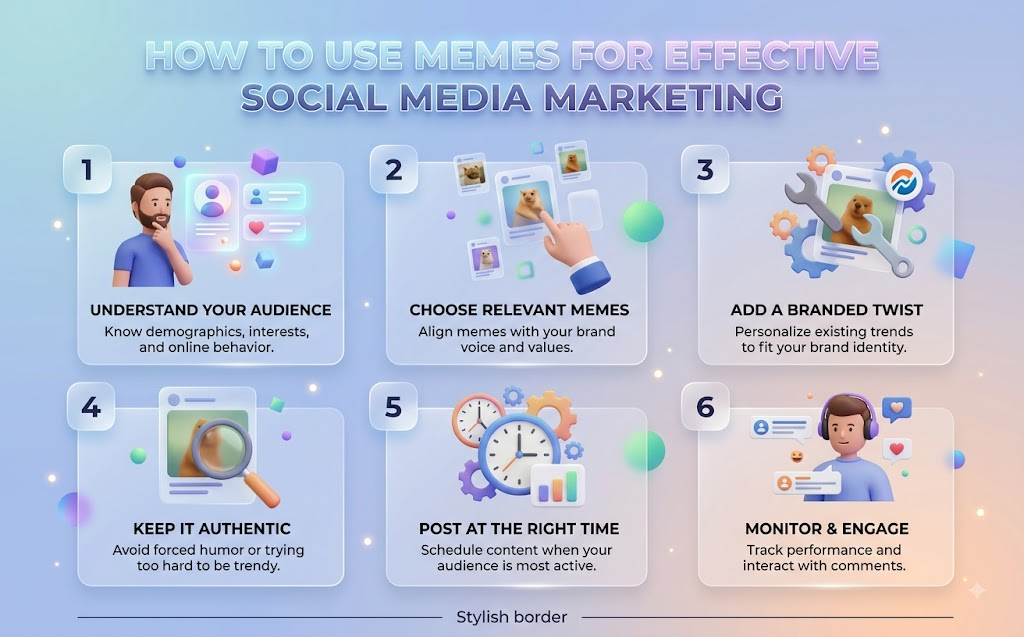
Social media moves quickly. A post that gets thousands of views today can disappear from people’s feeds tomorrow, which makes capturing attention one of the biggest challenges for brands and creators. Traditional promotional content can still work, but audiences are increasingly drawn to posts that feel entertaining, relatable, and easy to share. That is where memes can make a real difference.
Memes are no longer limited to casual internet jokes. Businesses use them to explain ideas, highlight common customer frustrations, comment on industry trends, and show a more human side of their brand. When the humor feels natural rather than forced, a simple image and a few words can generate conversations that a carefully polished advertisement might never start.
Creating this type of content is also easier than it once was. With a meme creator, marketers and creators can quickly turn an idea into a shareable visual without spending hours working through complicated design software. The real challenge is not making the image itself; it is knowing what to say, who you are saying it to, and why your audience will care.
Why Memes Work So Well for Marketing
The strongest memes tap into experiences that people already understand. Think about a remote employee reacting to another unexpected meeting, a shopper waiting for a sale, or a developer discovering a bug just before a deadline. These situations are funny because they are familiar.
That familiarity gives memes an advantage over many forms of branded content. People do not have to spend time learning what the post is about. They recognize the situation almost immediately.
Memes can also encourage sharing. When someone sees a post that perfectly describes their experience, they may send it to a coworker or tag a friend. That action puts the brand in front of a new audience without requiring additional advertising spend.
Know Your Audience Before Making a Joke
A common mistake is creating a meme simply because a particular format is trending.
A trend is not automatically relevant to every business. A joke that works for a gaming company might feel completely out of place on a financial services account. Before using a popular format, consider whether your audience would actually understand and appreciate it.
Start by identifying the situations your customers regularly encounter. Look at questions they ask, complaints they make, phrases they use, and topics they discuss online. Those observations can provide better inspiration than simply copying whatever is currently popular.
For example, a project management software company could create humor around overflowing task lists, forgotten deadlines, or the classic “quick meeting” that lasts an hour. The joke works because it reflects a genuine experience shared by the target audience.
Keep the Message Simple
A meme usually has only a few seconds to make an impression.
Avoid cramming too much information into the image. If people need to read a long paragraph before understanding the joke, they are likely to keep scrolling.
Use short captions and make sure the main text is easy to read on a smartphone. Strong contrast, simple typography, and a clear visual hierarchy can make a significant difference.
The goal is not to demonstrate how much design work went into the post. The goal is to make the idea immediately understandable.
Connect Humor to Your Brand
There is a difference between being funny and being memorable.
A random joke might receive likes, but it may do little for your business if viewers cannot connect it with your brand. The best branded memes combine entertainment with a subtle connection to what the company does.
A coffee shop could joke about needing a second cup before answering emails. A cybersecurity company could create humor around suspicious passwords. A travel brand could play with the familiar struggle of packing too much luggage.
These examples work because the humor reinforces the brand’s area of expertise without turning the post into an advertisement.
Be Careful With Trends and Cultural References
Trending topics can provide excellent opportunities, but they also require judgment.
Internet trends can change quickly, and jokes can become outdated just as fast. Before publishing, make sure you understand the original context of a meme format rather than using it simply because you have seen it repeatedly.
It is also worth considering whether a joke could be interpreted differently than intended. Humor can be subjective, particularly when content reaches an international audience.
When in doubt, choose relatable humor that does not depend heavily on controversial subjects or short-lived references.
Use Memes as Part of a Larger Strategy
Memes should not become your entire social media strategy.
They work best alongside educational posts, product updates, customer stories, tutorials, behind-the-scenes content, and industry insights. This variety keeps your feed interesting while allowing humor to add personality.
For example, a software company might publish a tutorial on Monday, a customer success story on Wednesday, and a relatable industry meme on Friday. Each type of content serves a different purpose.
The educational post provides value. The customer story builds credibility. The meme encourages interaction and gives the brand a more approachable personality.
Track More Than Likes
Likes can be encouraging, but they do not always tell the full story.
Pay attention to shares, comments, saves, profile visits, and website traffic. A meme with fewer likes but hundreds of shares may be much more valuable than a post that receives many passive reactions.
Look for patterns over time. You may discover that your audience responds particularly well to workplace humor, industry-specific jokes, or memes about common customer problems.
Use those insights to refine your future content instead of trying to recreate every viral post you see.
Make Room for Personality
One of the biggest benefits of memes is that they allow brands to sound like people.
Customers do not always want another perfectly polished corporate message. Sometimes they want to see that the people behind a company understand the same everyday frustrations, awkward moments, and little victories that they experience.
That does not mean abandoning professionalism. It means finding ways to communicate with a little more personality.
A well-timed joke can make a brand feel more approachable, especially when it reflects a genuine understanding of the audience.
Conclusion
Memes can be a surprisingly effective part of a modern social media strategy. Their combination of humor, relatability, and shareability gives brands an opportunity to connect with audiences in a way that traditional promotional content often cannot. The key is to stay relevant, understand your audience, keep the message simple, and make sure every joke feels consistent with your brand. When humor has a genuine purpose behind it, even a simple social post can become a memorable part of your brand’s online presence.
